Engineered Polymer Systems
Synthetic Roofing
Lifespan
50+ years
Weight: 1–5 lbs per sq ft depending on product
What synthetic roofing actually is, and why it's not asphalt
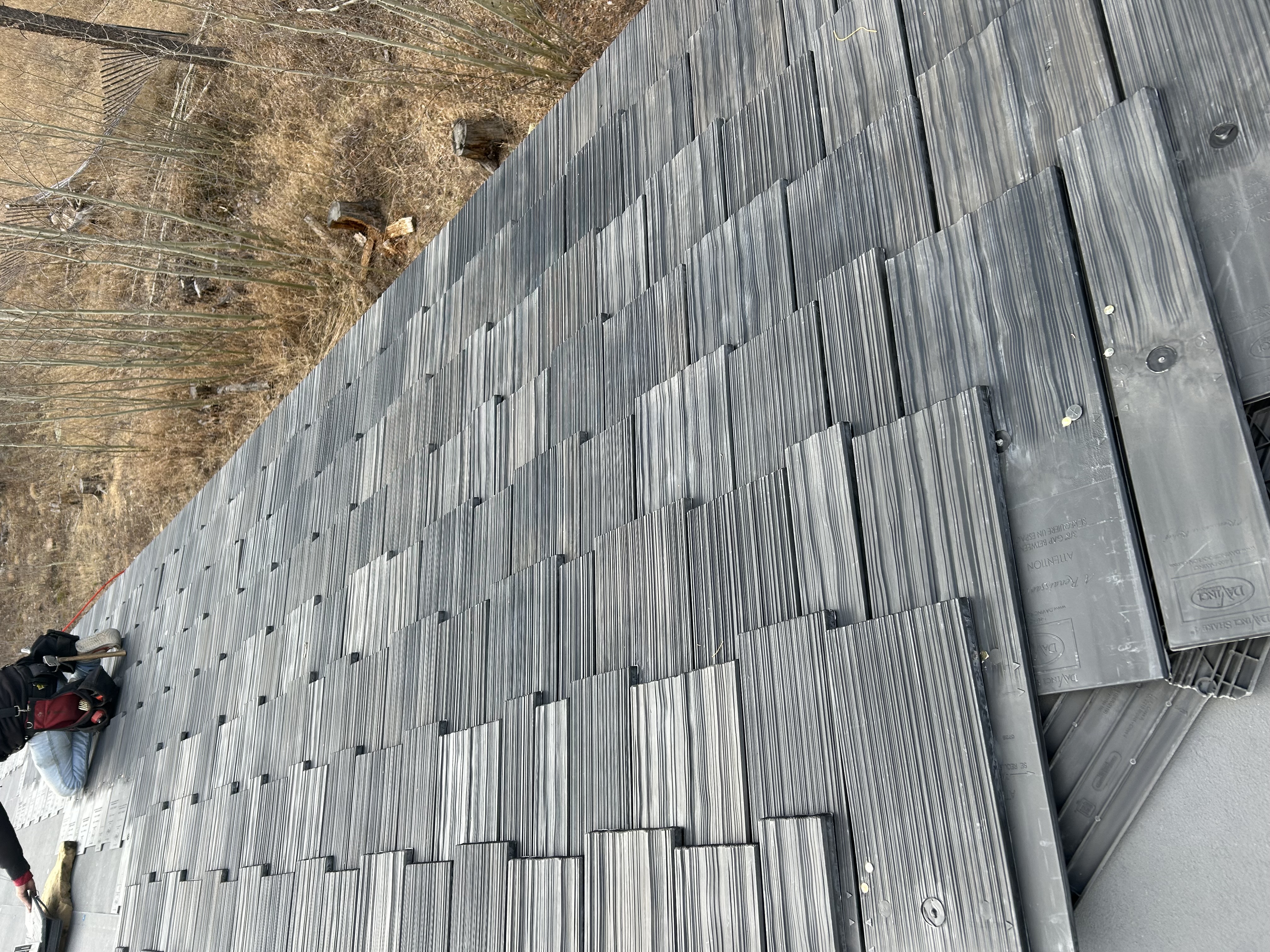
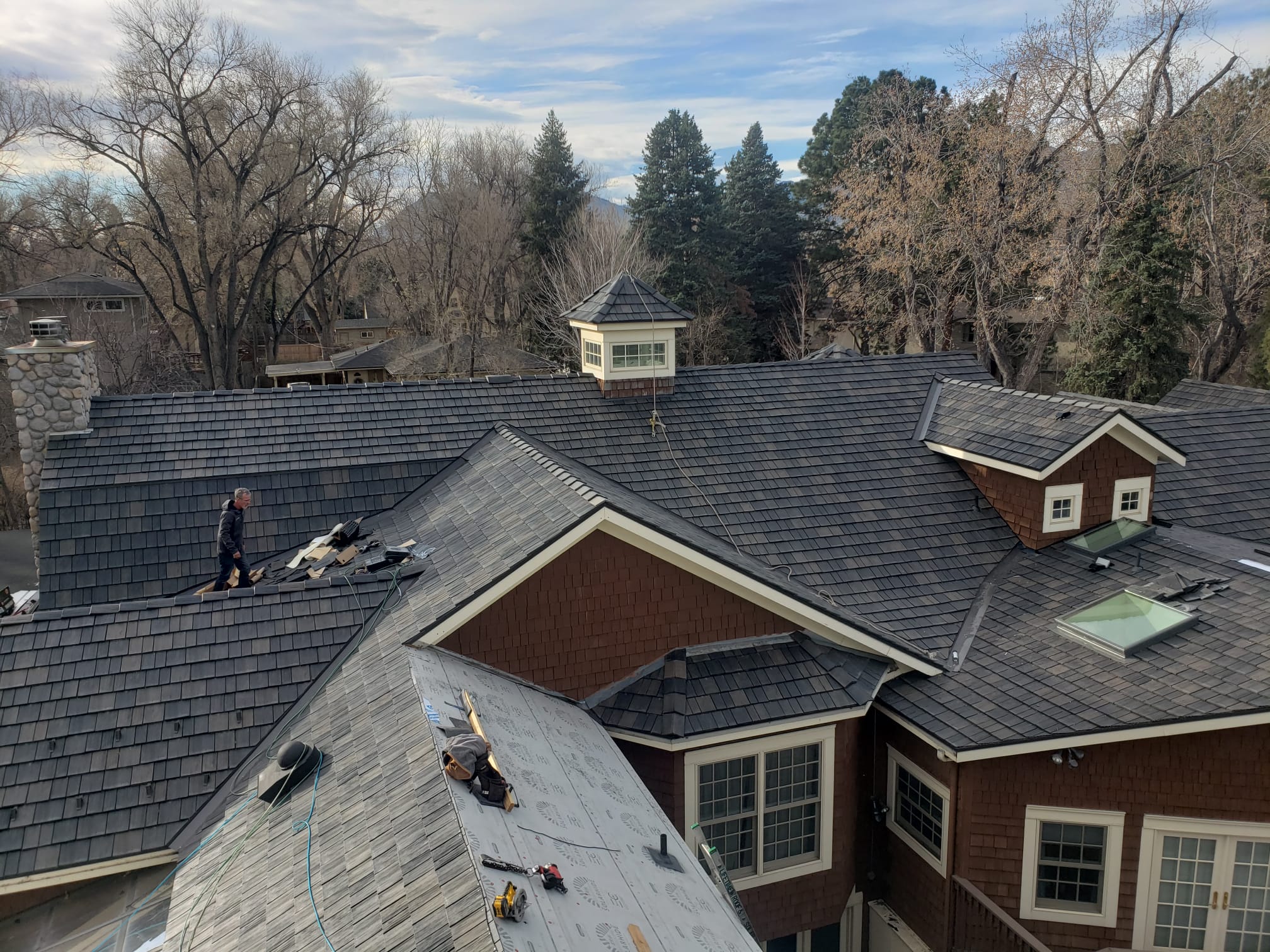
Synthetic roofing systems are polymer-based products engineered to replicate the visual profile of natural slate, cedar shake, or tile while delivering performance characteristics those materials can't match at their price point. The critical distinction from asphalt is the base material: asphalt shingles are petroleum-derived products whose performance degrades as the volatile oils oxidize and the mineral granule coating erodes. Quality synthetic products are UV-stabilized polymer composites. They do not oxidize, do not lose granules, and do not become brittle in cold temperatures the way asphalt does. This is not a minor material improvement. It is a different category of product.
Impact performance in Colorado's hail environment
The Class 4 UL 2218 rating (the highest available) is standard across most quality synthetic product lines. F-Wave carries a 130-mph wind rating and Class 4 impact rating with a product weight of approximately 185 lbs per square. Euroshield's recycled rubber composition provides excellent impact dampening and also meaningfully reduces hail noise inside the home, an underappreciated benefit in Colorado mountain locations where large hail on a metal or hard-surface roof can be disruptive. DaVinci Roofscapes products are Class 4 rated and carry Class A fire ratings across the full product line, relevant in Colorado's defensible space zones and WUI (Wildland-Urban Interface) areas where local codes require Class A fire resistance.
Visual fidelity: which products actually look like what they imitate
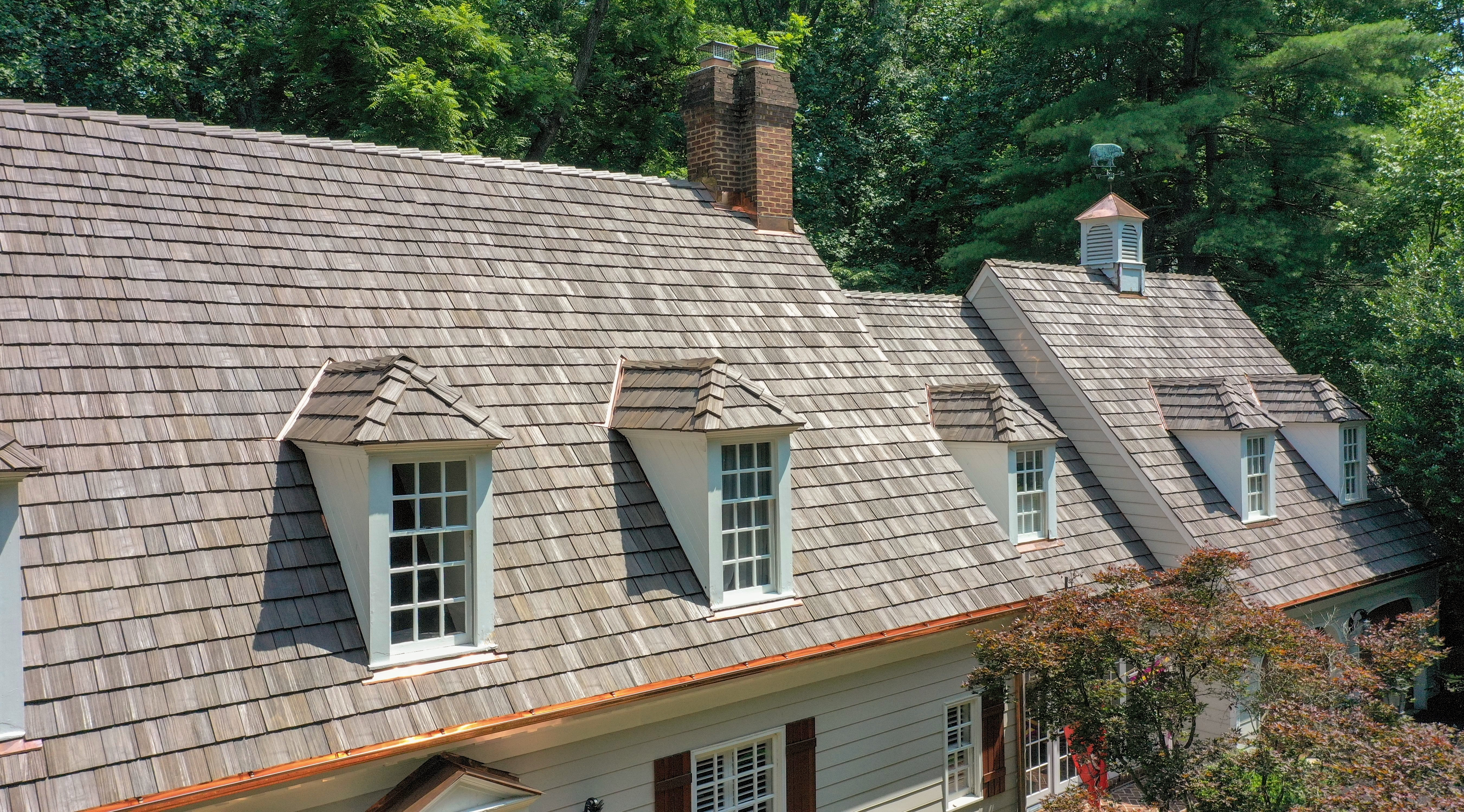
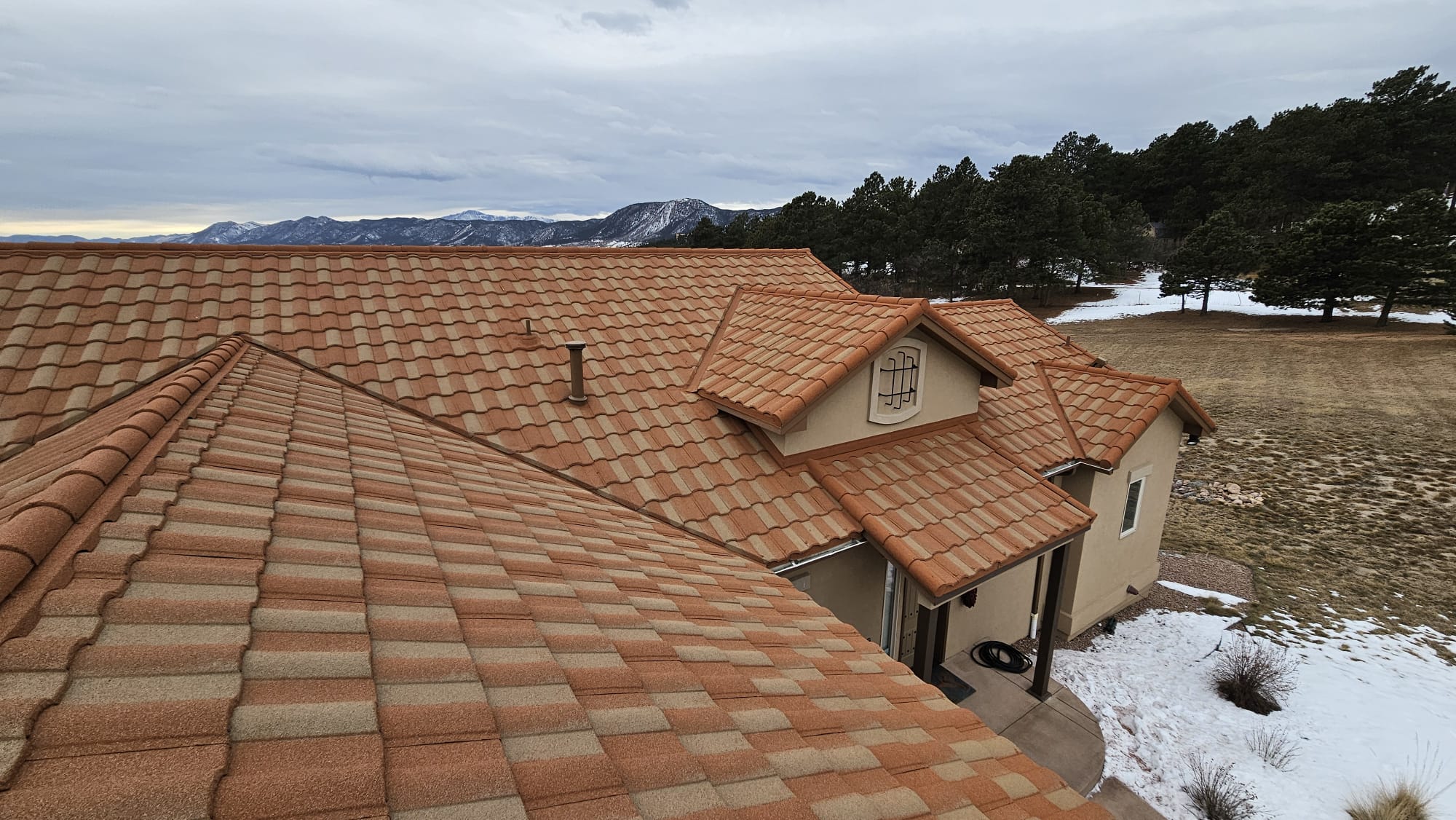
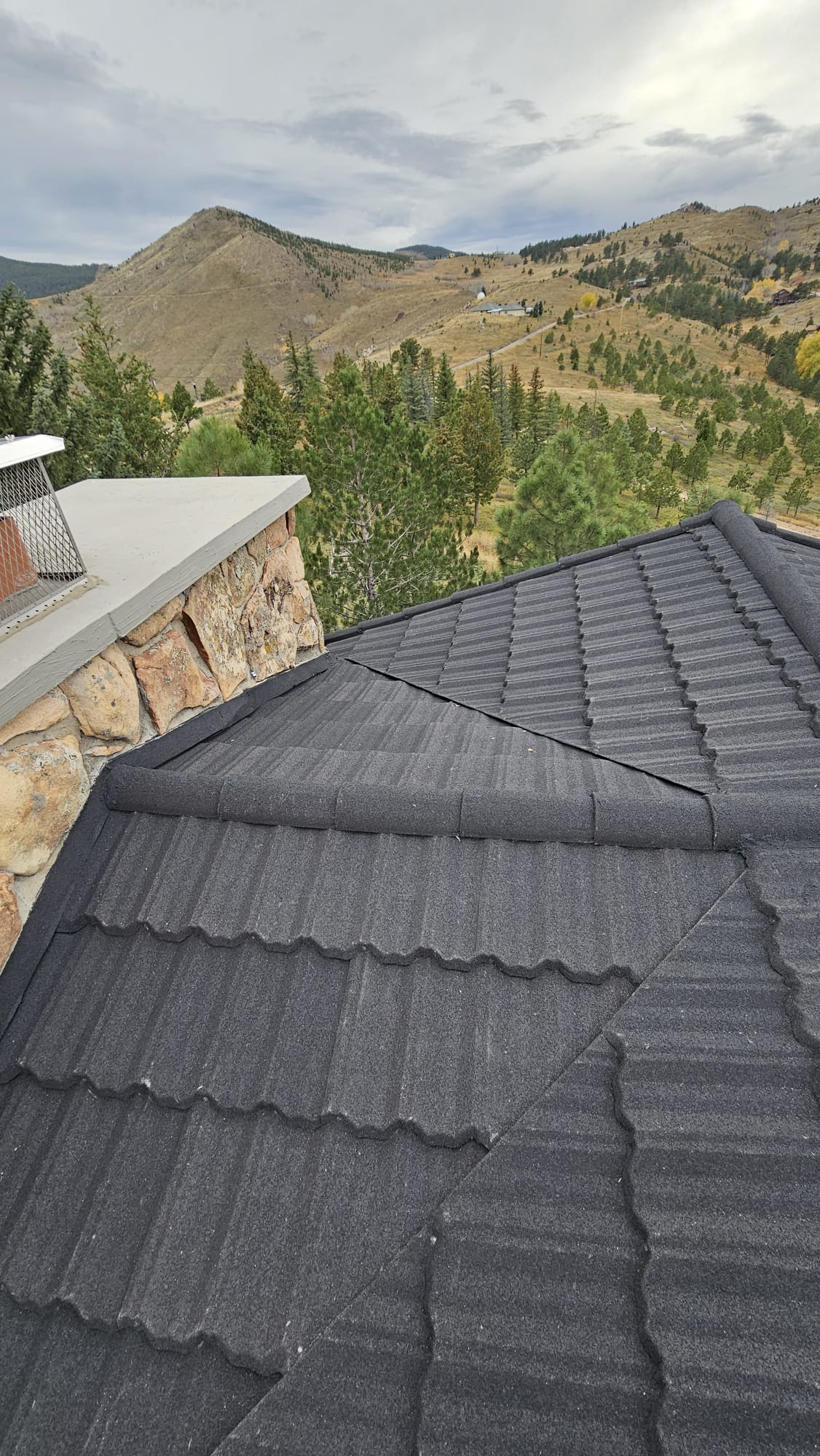
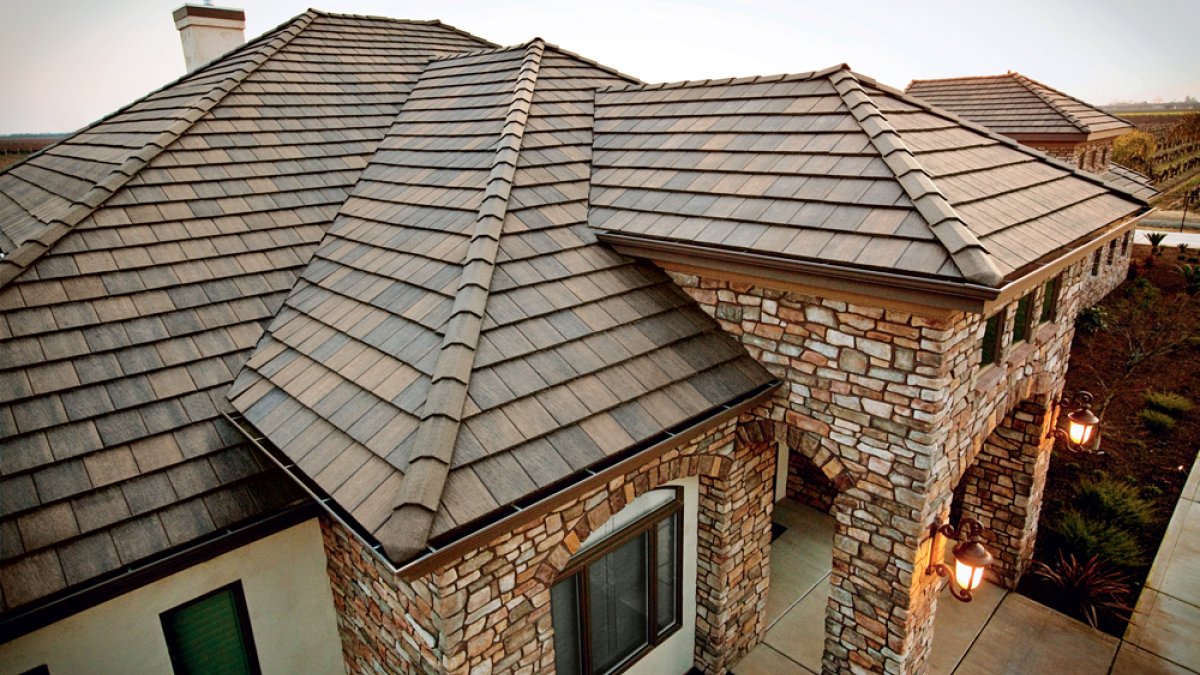
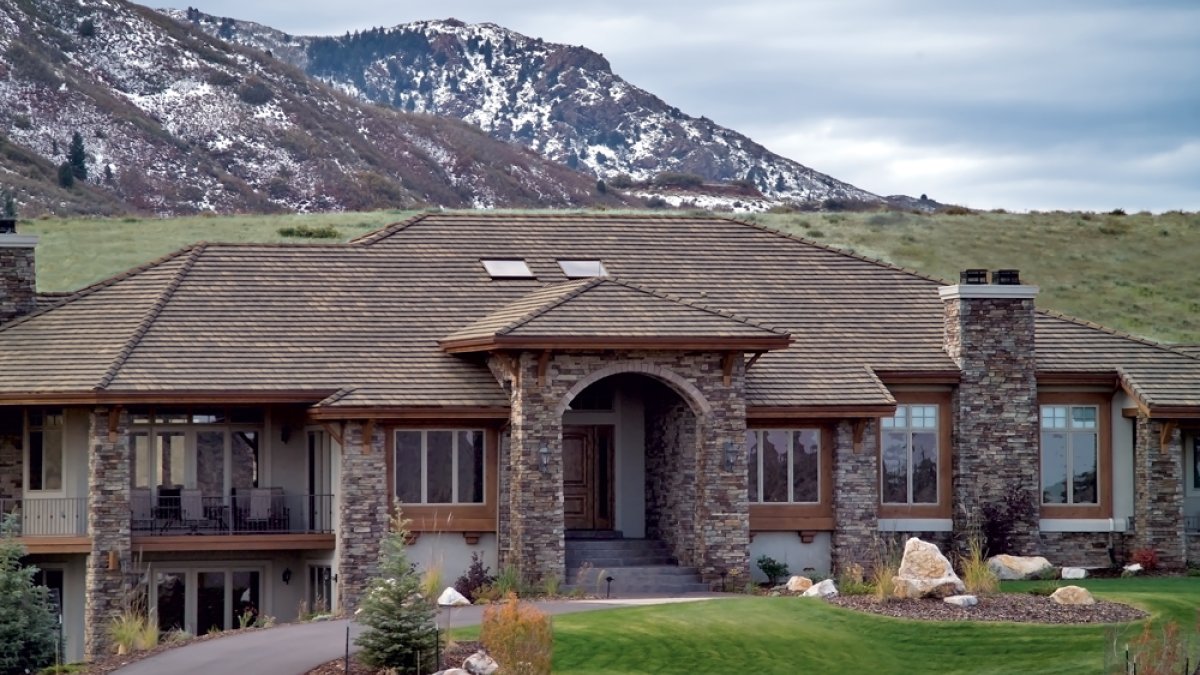
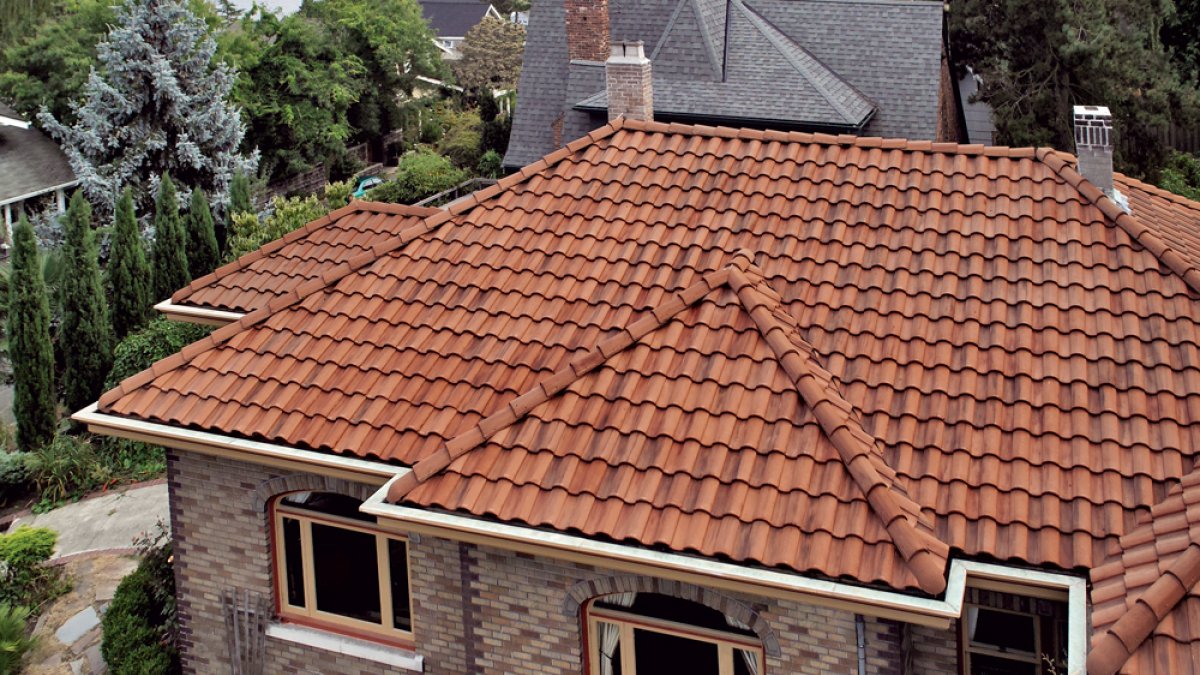
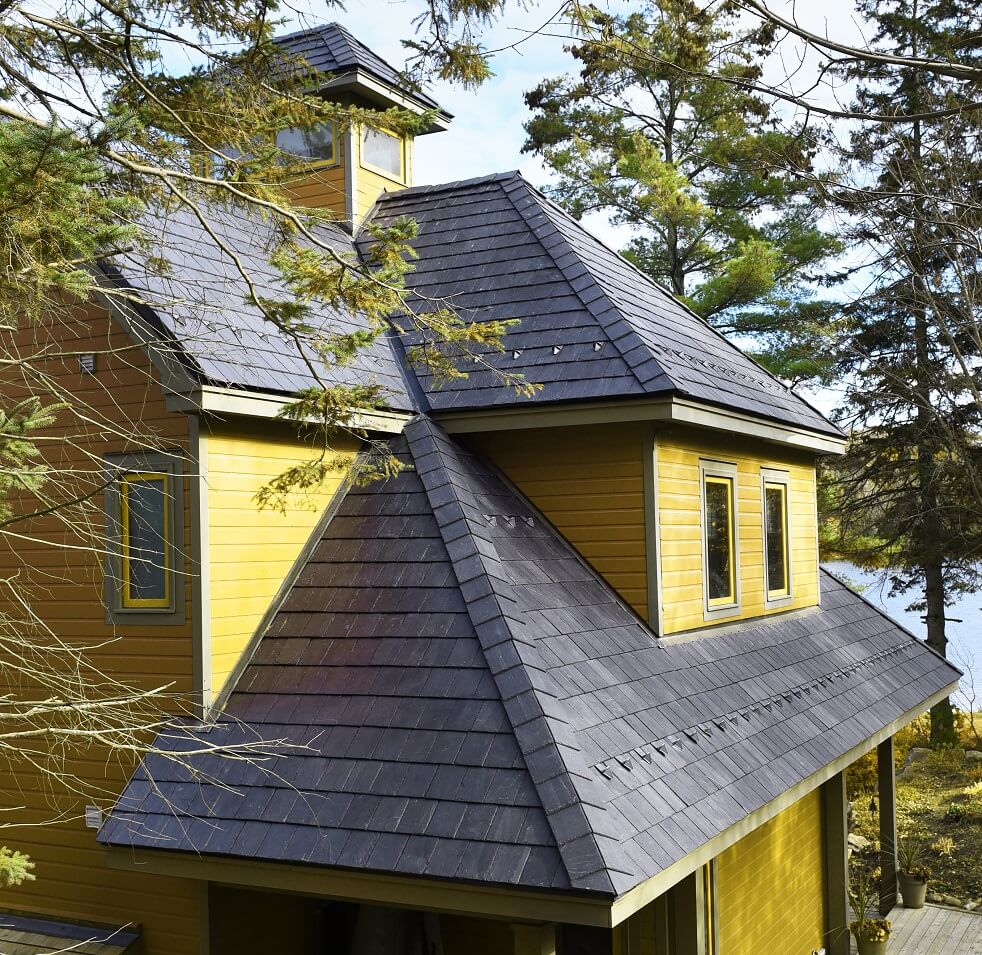
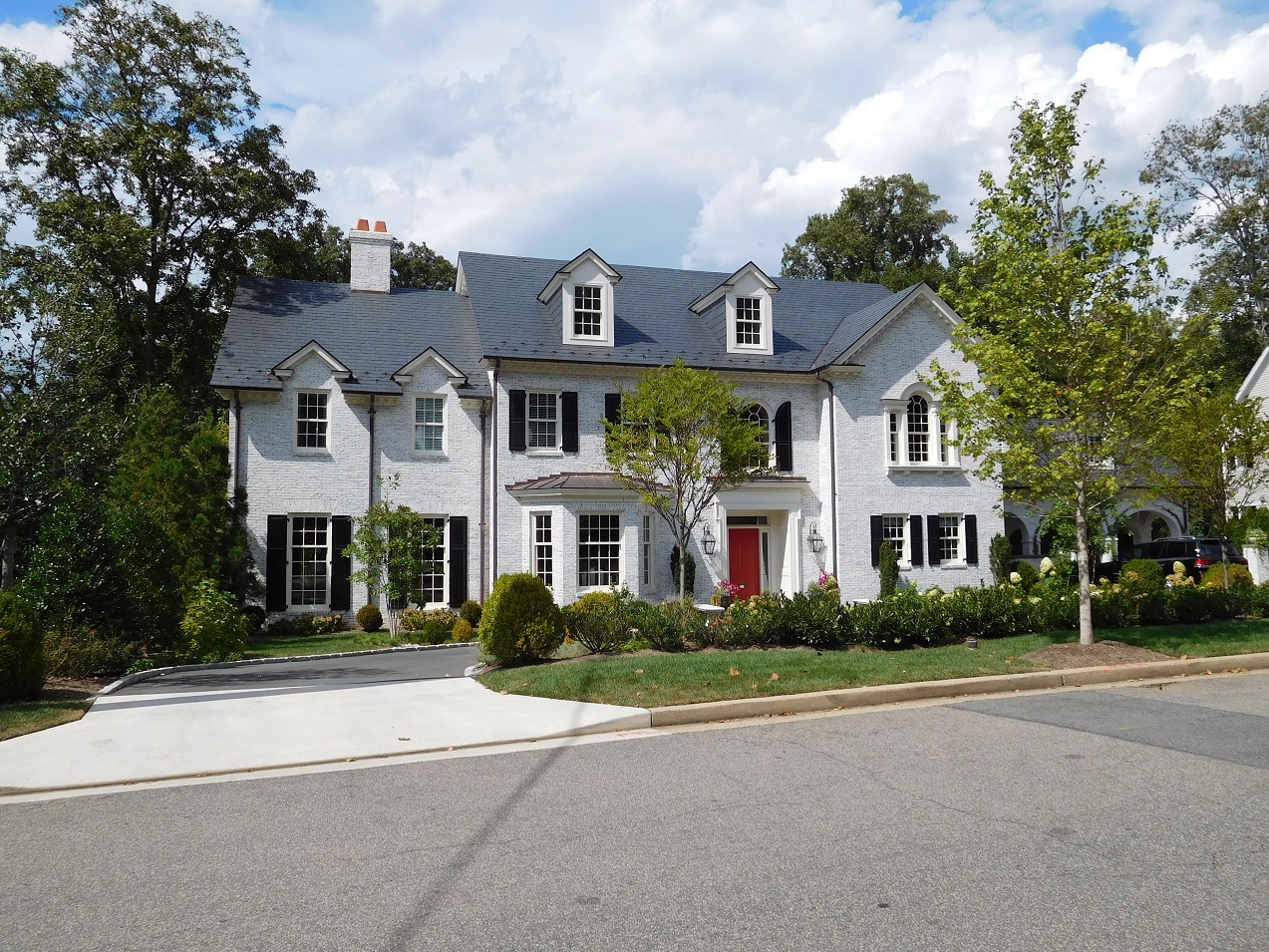
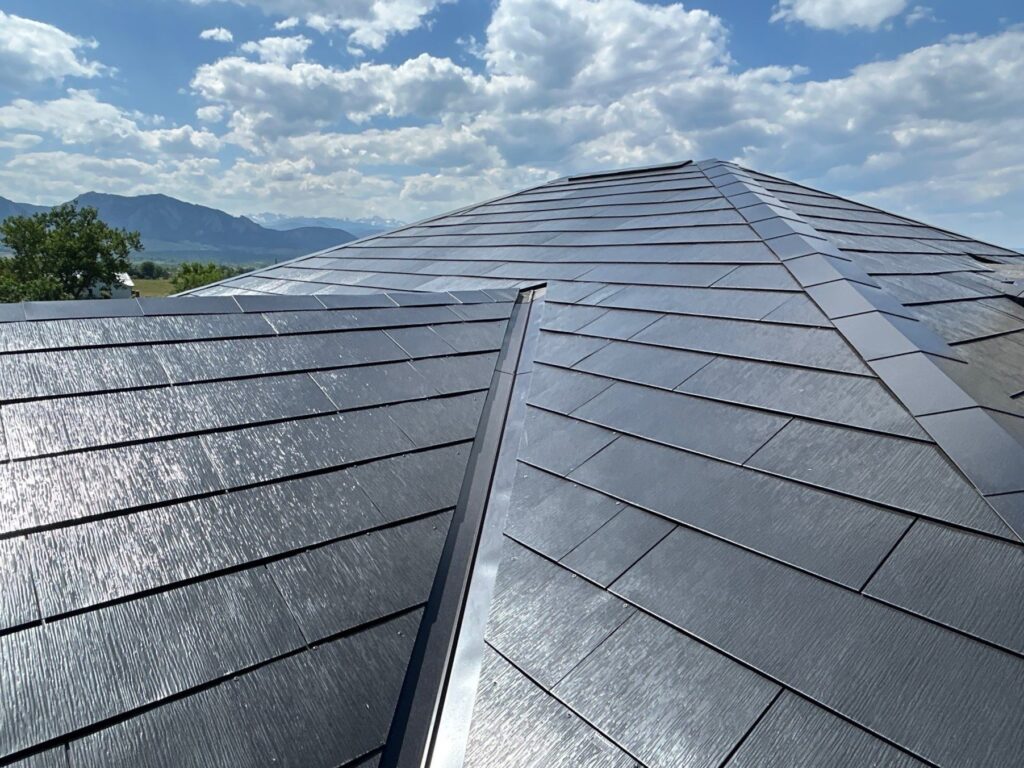
Not all synthetics are equal in their visual replication of natural materials. DaVinci Roofscapes has the longest track record and most investment in visual fidelity. Their slate and shake profiles are cast from natural material molds and carry through color variation that reads as natural from street level. Brava Roof Tile offers some of the widest profile variety, including a convincing barrel tile profile. CeDUR has focused on shake profiles specifically and has achieved excellent texture replication at a lighter weight (approximately 1.4 lbs/sq ft) than most competing products. For neighborhood contexts where design review boards or HOA covenants reference 'slate appearance' without explicitly requiring natural slate, synthetic products now clear most approval processes.
What to watch for when comparing synthetic products
The synthetic category has a wide performance range. Entry-level products at the 30-year warranty tier are meaningfully different from the 50-year warranty products, not just in longevity but in impact resistance, color stability, and installation quality. The polymer formulations are not public, but the warranty terms and the UL test results are. Always specify the Class 4 product, always specify the 50-year warranty tier, and confirm that the specific color being purchased is covered at the same warranty level as the base product (some manufacturers have different warranty terms for lighter colors that may fade). EcoStar (Carlisle) is worth specifying for projects with sustainability goals. Their products use a high percentage of recycled content, carry Class 4 impact, and are one of the few synthetics with documented recycling programs at end of life.