The Storm Chasers Are Already in Your Neighborhood. Here Is What to Know.
June 2, 2026·4 min read
- hail
- denver
- contractor
- storm chasers
- colorado
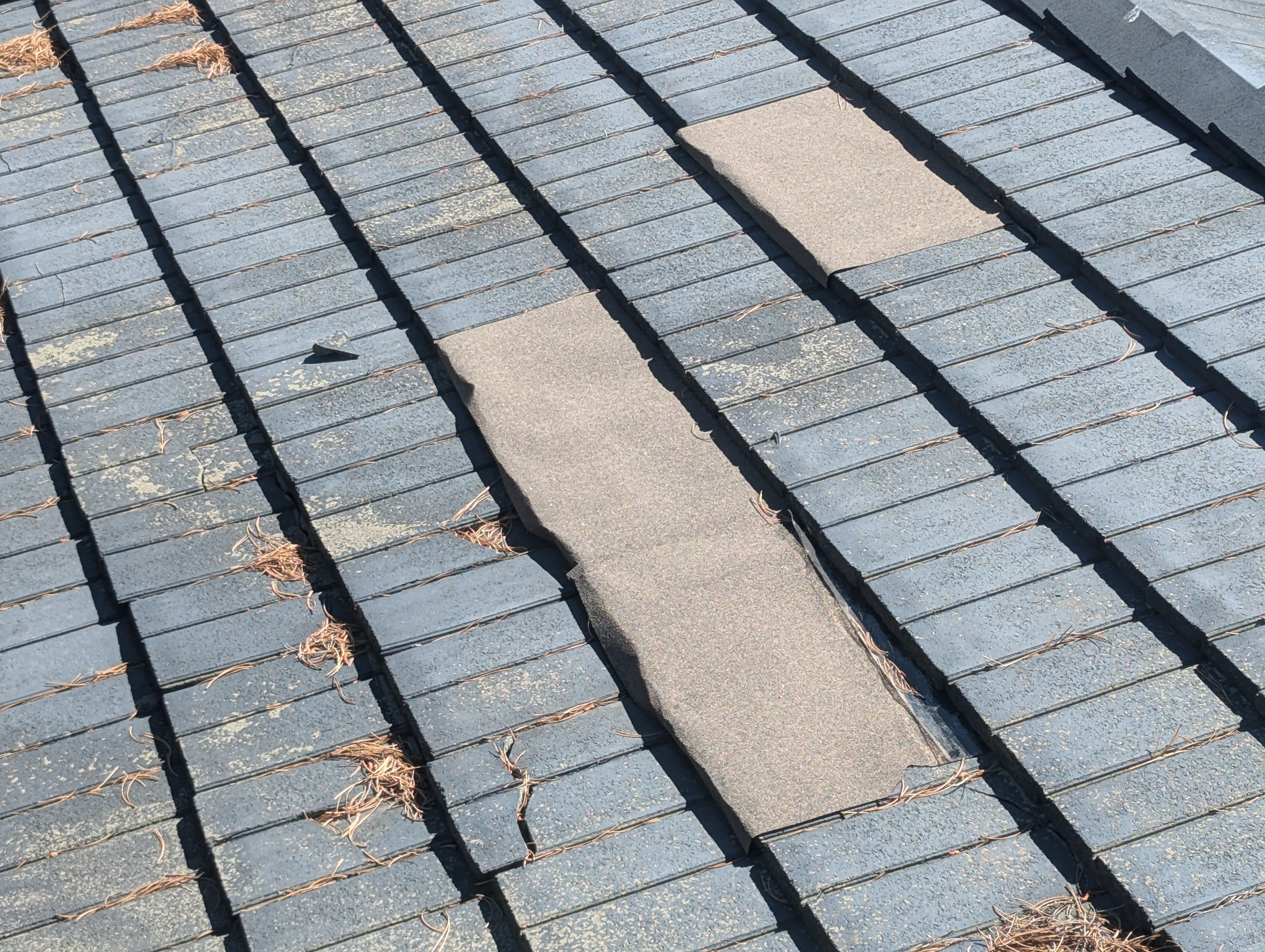
The storm hit Monday. By Tuesday morning, trucks with out-of-state plates are canvassing your street. This is not a coincidence. Storm chasing is an industry. They follow the radar data the same way we do. The difference is what happens after they leave.
How storm chasing works
Large storm chasing operations track hail maps in real time. When a major event hits, they deploy crews from out of state within 24 to 48 hours. Volume is the product. Speed is the sales tactic.
Their business model depends on signing as many contracts as possible before homeowners slow down and do research. Margins come from throughput, not from standing behind a warranty call three years later.
Most offer to "work with your insurance" and handle everything. That sounds helpful. What it means in practice varies widely. Some crews document well. Others lean on homeowner confusion about deductibles and scope.
Colorado has had ongoing issues with assignment of benefits (AOB) contracts where homeowners unknowingly sign over control of their claim. Read every page before you ink anything. If control of the claim transfers, you may not be the person on the phone when the carrier pushes back.
Some crews subcontract production to the lowest bidder after the contract is signed. The salesperson at your door may never touch your deck. Ask who pulls permits and whose name is on the warranty letterhead.
What to watch for
High-pressure door knocking within 48 hours of the storm is a pattern, not proof of fraud. It is still a reason to slow down.
Requests to sign anything before you have filed your own claim should pause the conversation. Your date of loss and your photos belong in your file first.
No local address and no contractor license number are hard stops. Verify, verify, verify.
Promises of a "free roof" with no out-of-pocket cost deserve scrutiny. If the deductible disappears, ask how. Math does not evaporate because someone brought a yard sign.
Pressure to decide the same day is manufactured urgency. Colorado gives you time. Use it.
What a local contractor looks like
Licensed in Colorado with a verifiable license in the building Jurisdiction where you live. A physical address in the state you can map, not a suite that forwards mail.
References from Colorado jobs you can actually visit or call. Finished slopes matter more than glossy trucks.
Willing to walk you through the claim without requiring you to sign a contract first. Coaching and scope review can happen before production starts.
Still in business two years from now when you have a warranty question. Storm crews rotate markets. Local shops answer the phone when flashing fails.
We are a retail contractor, not a storm chasing sales org. We coach homeowners through claims, submit detailed scopes, and install permanent systems when the numbers make sense. We do not negotiate with adjusters as your agent. You keep the carrier relationship. We give you scope you can file.
You have time
Colorado law gives you one year from the date of the storm to file a claim. A legitimate contractor will not pressure you to sign today.
Get two or three bids. Check licenses. Look at finished jobs. Compare line items, not just bottom lines.
The roof will still need replacing next week. The urgency is manufactured. File your claim, document the damage, and choose the assembly you want to live under for the next thirty years.
Match line items on every bid to the adjuster summary. Gutters, pipe boots, valley metal, and drip edge often disappear on storm chaser quotes until you compare apples to apples.
When you are ready for numbers without a door knocker in the driveway, use the estimate wizard or reach us through contact.
Get roofing straight talk in your inbox.
No spam. No sales pitch. Just useful information for Colorado homeowners.
Ready to talk about your roof?
Start the estimate wizard