Stone-Coated Steel vs Synthetic Roofing: Which One Is Right for Hail Alley?
May 6, 2026·4 min read
- stone-coated steel
- synthetic
- hail
- colorado
- comparison
What stone-coated steel is
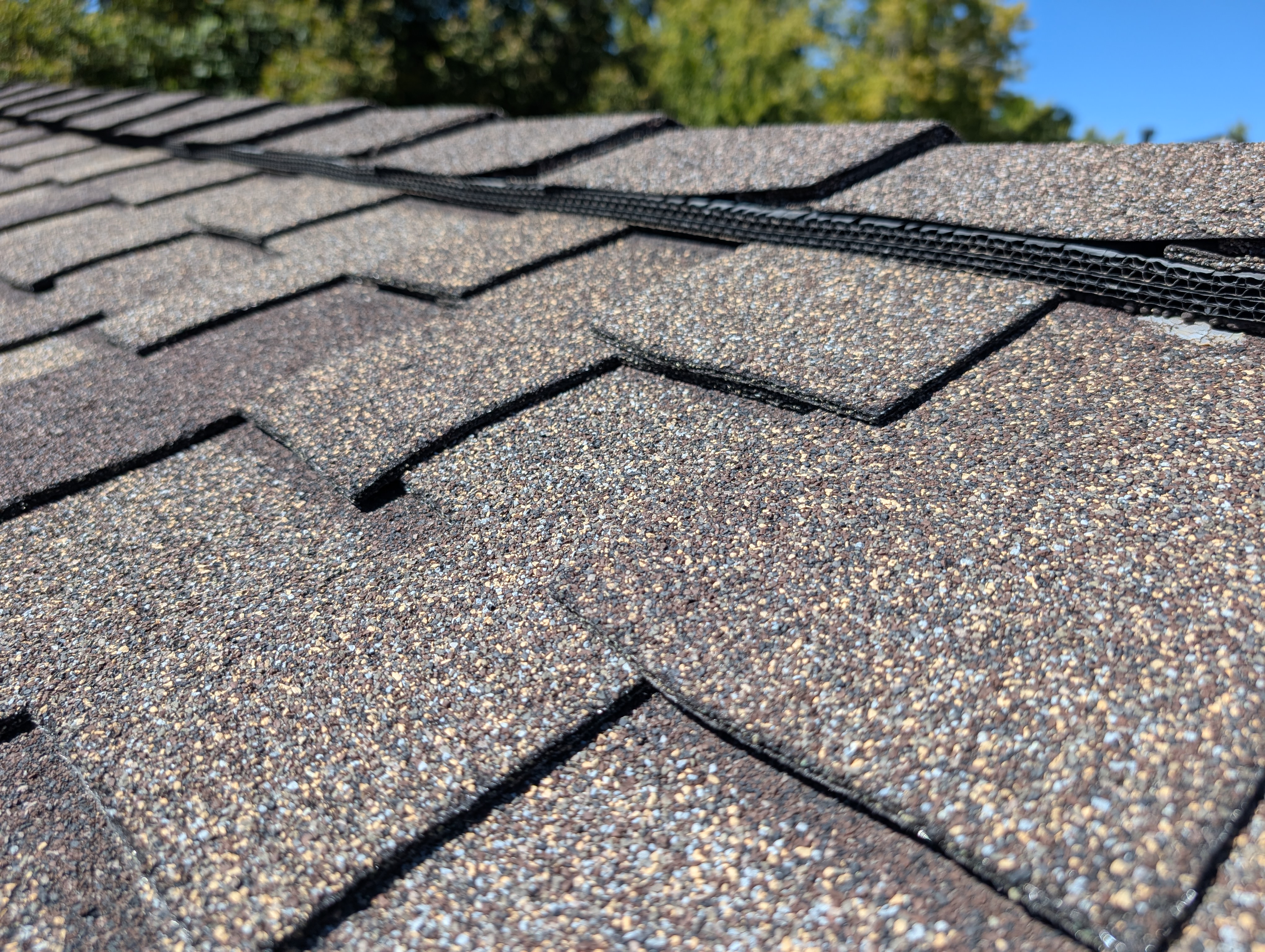
Stone-coated steel starts as coated steel sheet. Factories embed colored stone granules in acrylic films and bake them hard. Finished profiles mimic shake, tile, or heavyweight shingle courses with joints that read predictable on the ground. Installed weight typically lands between 1.4 and 1.7 pounds per square foot once you account for clips, battens where spec calls for them, and fastener density. That sits heavier than asphalt and far lighter than standard concrete tile on the same footprint.
Factory finish warranties on major lines often stretch four or five decades when installers register jobs and follow ventilation minimums. Read the fine print on transfer rules before you list the house.
What synthetic roofing is
Engineered synthetics are polymer composites. Manufacturers mold or press profiles that imitate cedar shake, slate, or clay barrel lines with shadow lines cast from the street. Weights swing by brand and profile, but most planes clock in lighter than stone-coated steel on the same architectural layout. Impact and heat behavior ride on resin chemistry, UV stabilizers, and wall thickness rather than a steel spine.
Where steel pulls ahead on the Front Range
Stone-coated steel brings a hard substrate under hail, Class A fire ratings without contortion, and granular armor that dulls UV at altitude. Installed pricing on our jobs often tracks between sixteen and twenty dollars per square foot with tear-off depth, pitch, accessory count, and walk boards driving the swing.
HOA packets sometimes ask for Class A fire and Class 4 hail in the same breath. Steel profiles check both boxes on paper and in photos for most committees without a variance letter.
Where synthetics earn the conversation
Synthetics shine when structural headroom matters on older trusses that groan under concrete or heavy batten loads. Color palettes on lines from Brava, F-Wave, and DaVinci can go wider than some steel catalogs. Luxury profiles can show tighter shadow geometry up close. Real hail performance still follows resin thickness and listing, not the word “composite” in a brochure. Budget tier boards and boutique molded products are not the same decision.
Eighty-year-old rafters sometimes need an engineer letter before you hang concrete or dense shake-profile steel on wide spans. Synthetics occasionally dodge that review while still beating asphalt. Budget for the letter when the attic smells like old dust and the ceiling ripples between joists.
Colorado weather beyond the label
UV at seven thousand feet punishes inexpensive plastics faster than people budget. Hail frequency pushes risk toward a substrate that laughs off a two-inch ball test in the field. Wind events reward nail patterns, clip spacing, and starter courses more than brochure adjectives. Both system families fail when someone shortcuts listed underlayment or mixes fastener schedules between zones.
Ice dams belong in the same conversation on north pitches with warmed attics. Neither system forgives a bad ventilation plan or gutter clogged with October leaves. Fix airflow before you blame the panel profile.
Budget reality
Match structure, HOA rules, clip colors if your committee cares, and hold time on the deed. Honest comparisons live on products. Dollars tied to your roof lines come out of the estimate wizard.
Storm checks sometimes fund part of the jump from commodity shingles into Class 4 permanent systems. Carriers still trade in like kind and quality. The homeowner funds the upgrade delta. We quote the gap transparently so you see where the underwriting money stops and your checkbook starts.
Walk boards, steep charges, and three-layer tear-offs move either system up the quote without changing the product chemistry. Bid details matter as much as brand badges when you compare two finalists line by line.
Get roofing straight talk in your inbox.
No spam. No sales pitch. Just useful information for Colorado homeowners.
Ready to talk about your roof?
Start the estimate wizard